
What’s actually changing
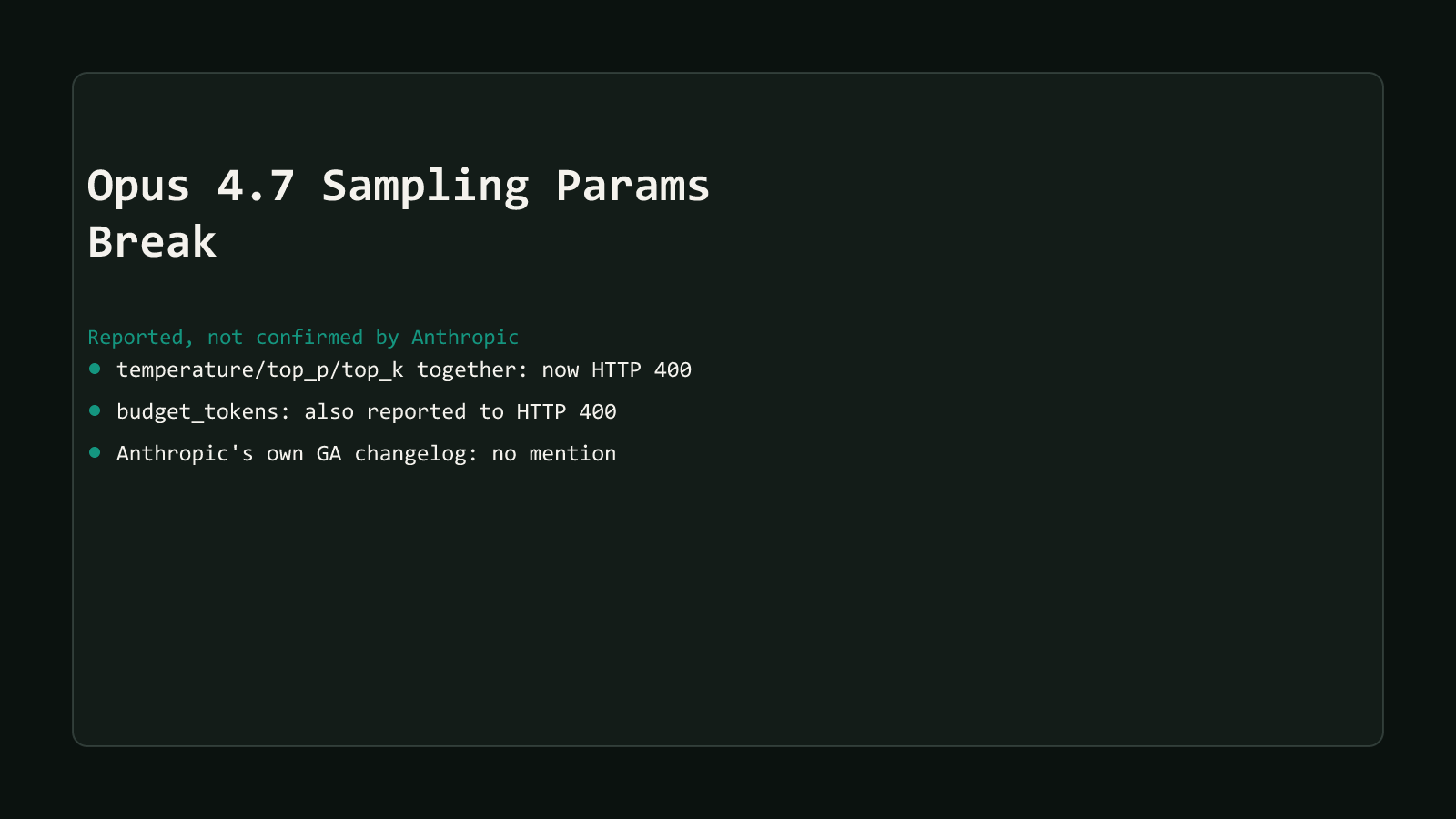
Third-party technical coverage of Opus 4.7, the same source cluster reporting the tokenizer change covered separately in this series, reports that certain sampling parameters now trigger HTTP 400 errors under some configurations: temperature, top_p, top_k, and budget_tokens, a restriction independently confirmed for temperature, top_p, and top_k in Anthropic’s own API release notes. Previously valid combinations of these parameters are reported to fail outright rather than degrade gracefully or get silently ignored.
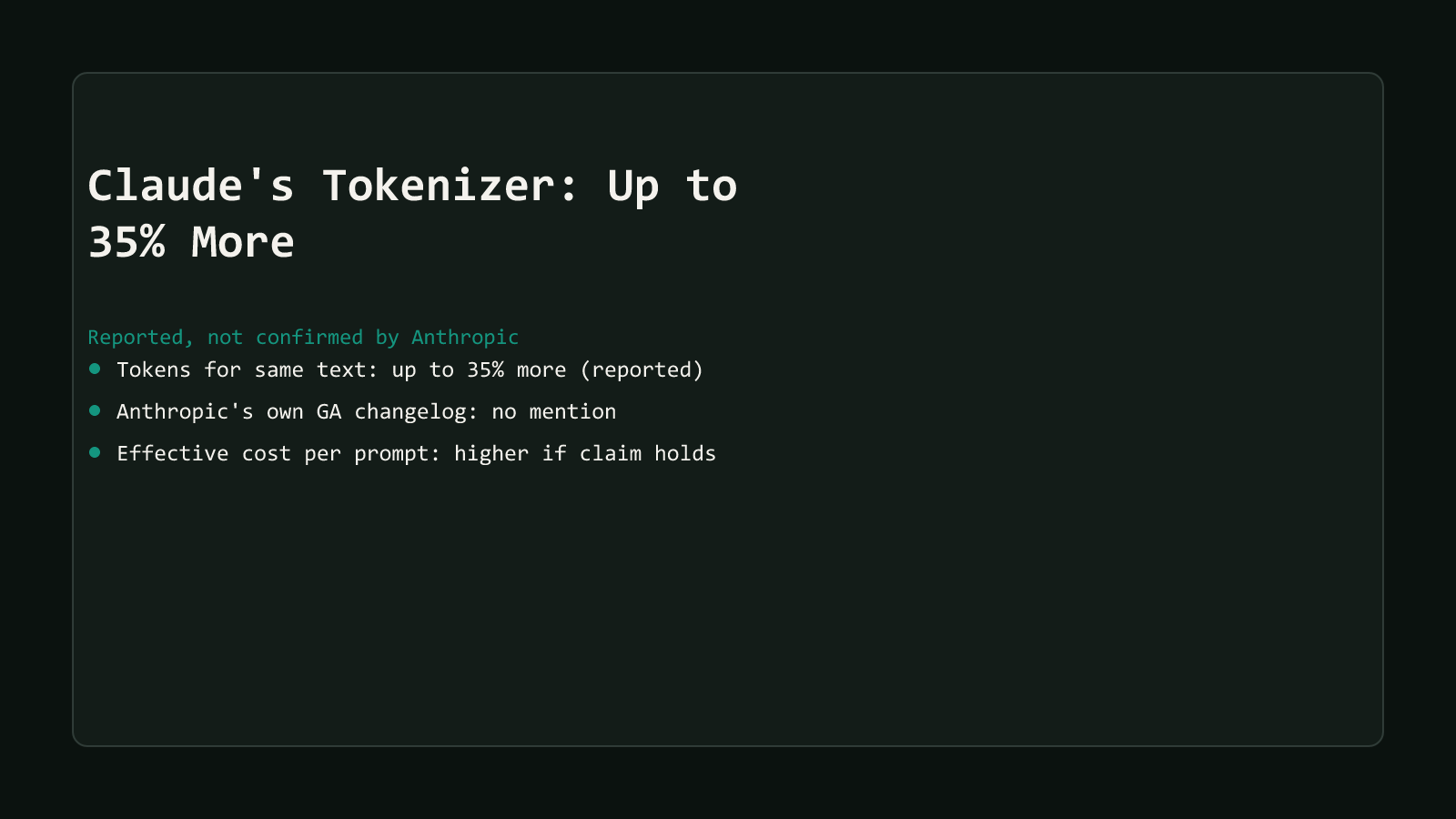
As with the tokenizer claim, this is explicitly not confirmed by Anthropic’s own official GA changelog for Opus 4.7 (2026-04-16), which does not mention this behavior. Treat the exact trigger conditions as reported, not verified, and confirm against your own test calls before assuming a specific parameter combination is the cause.
Structural Comparison Matrix
| Operational Aspect | Opus 4.6 and earlier | Opus 4.7+ |
|---|---|---|
temperature / top_p / top_k together | Accepted | Reported to return HTTP 400 in some configurations |
budget_tokens | Accepted | Reported to return HTTP 400 in some configurations |
| Anthropic’s own GA changelog | N/A | Does not mention this behavior |
Fix it: isolate the failing parameter combination
If a request that worked before an Opus 4.7 upgrade now returns HTTP 400, the fastest path is elimination, not guessing. Strip temperature, top_p, top_k, and budget_tokens down to the minimum your call actually needs, then add them back one at a time against a real test request until the error reappears. That isolates the specific combination your integration is hitting, since the reported behavior is not confirmed to be identical across every configuration.
Once identified, the fix is usually straightforward: drop the redundant parameter rather than fight the error. Sending both temperature and top_p on the same request was already redundant in most sampling setups, since both control the same underlying randomness in different ways; picking one instead of both often resolves the error without changing the model’s actual output behavior much.
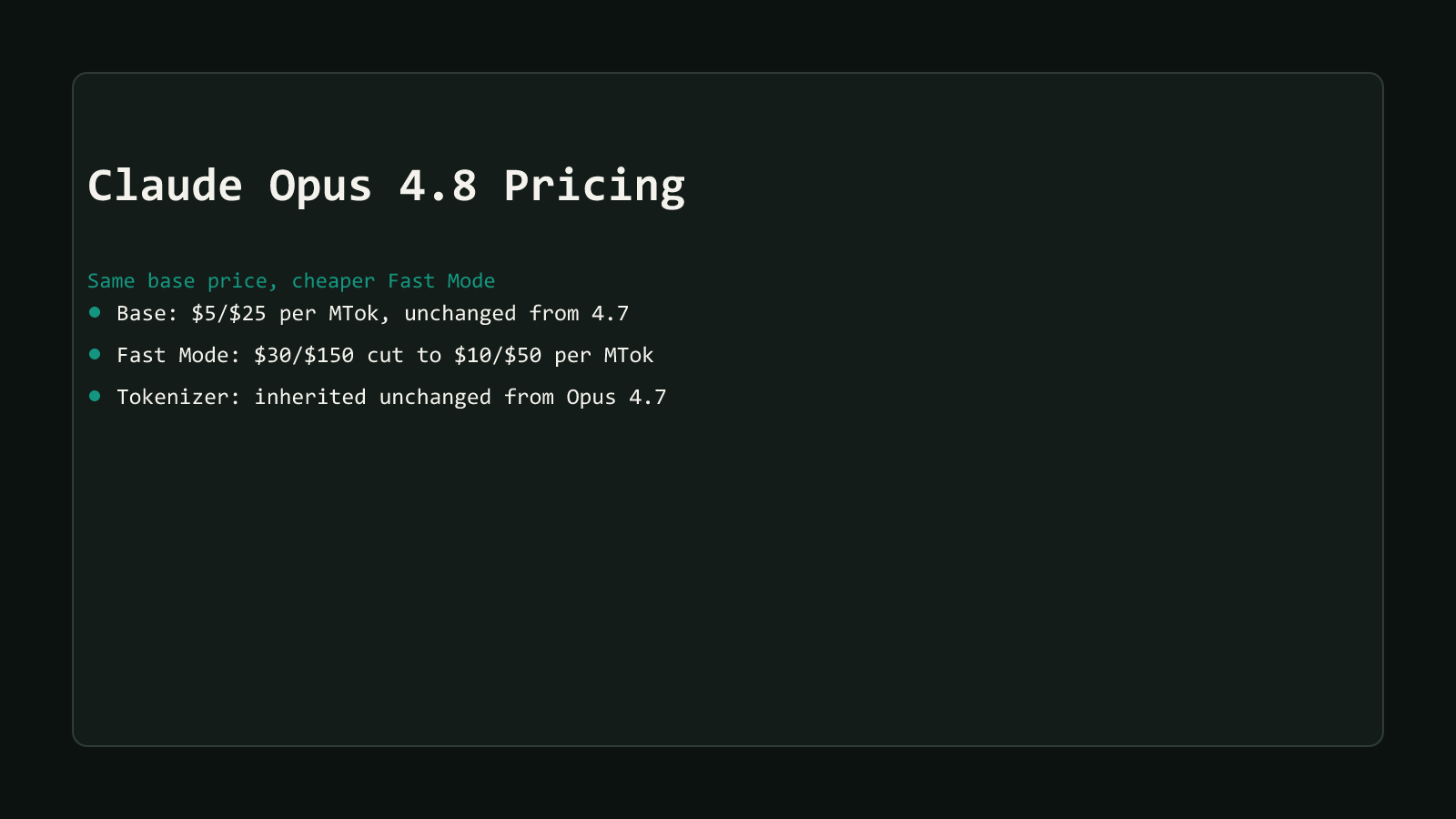
If you’re also re-checking cost impact while you’re in here, the LLM Pricing Calculator covers Claude Opus 4.7’s current pricing and caching math separately from this parameter issue.
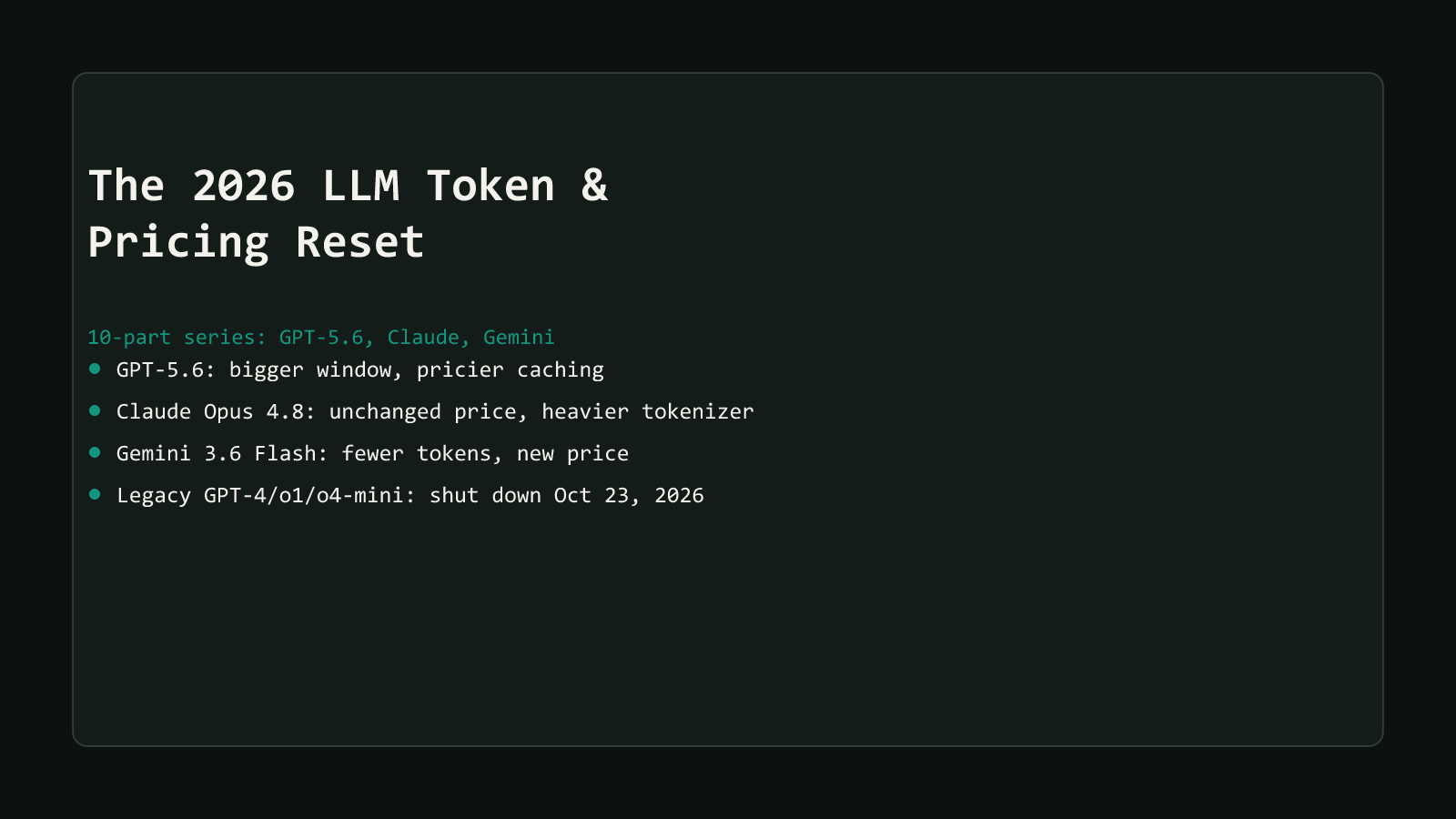
Confirmed version
Sourced from the same third-party technical coverage of Opus 4.7 that reports the tokenizer change, not Anthropic’s own materials directly. GA date 2026-04-16 confirmed via GitHub’s official changelog, which does not itself confirm this specific claim. Browse more coverage in the AI Productivity archive, or start from The 2026 LLM Token & Pricing Reset hub.